What Kids Are Reading 2026
I think one of the greatest challenges for parents, teachers and librarians is; how do we kindle a love of reading in our children and then how do we keep the flame going, when there are so many other dopamine engaging activities competing for our kids' time?
But there is reason to hope, according to a recent report by Renaissance Learning, “What Kids are Reading 2026”. The report states that, “when given access, opportunity, and support, children will read. They will read widely and voraciously. And some who struggle early can become strong readers when the conditions are right;” So what are these ‘conditions’? And how does Montessori East, together with parents, strive to create these conditions at school and at home?
The Report notes that the first condition is volume. It confirms “that reading skill develops through reading itself, and there’s no shortcut around extensive practice with connected text. Children need opportunities to read frequently, across genres and formats, in school and beyond.” Montessori East has a small library covering ages 3-12 but that is no barrier to ensuring we support our students with reading volume. Not only are we continually updating our collection through selective purchasing and generous donations, we also have a long standing relationship with Waverley Library where we borrow new books every term. This provides continual novelty and extends the volume and subject matter available for our students.
We are also conscious of incorporating Australian literature into our students' reading diet, through focused purchasing of books recommended by The Children’s Book Council of Australia. The Report notes that ‘Book series naturally fuel reading momentum as kids follow favorite characters and topics from book to book’. We find this is also true for our students. The school ensures that students are able to borrow the latest books from popular series by regularly purchasing them for our collection.
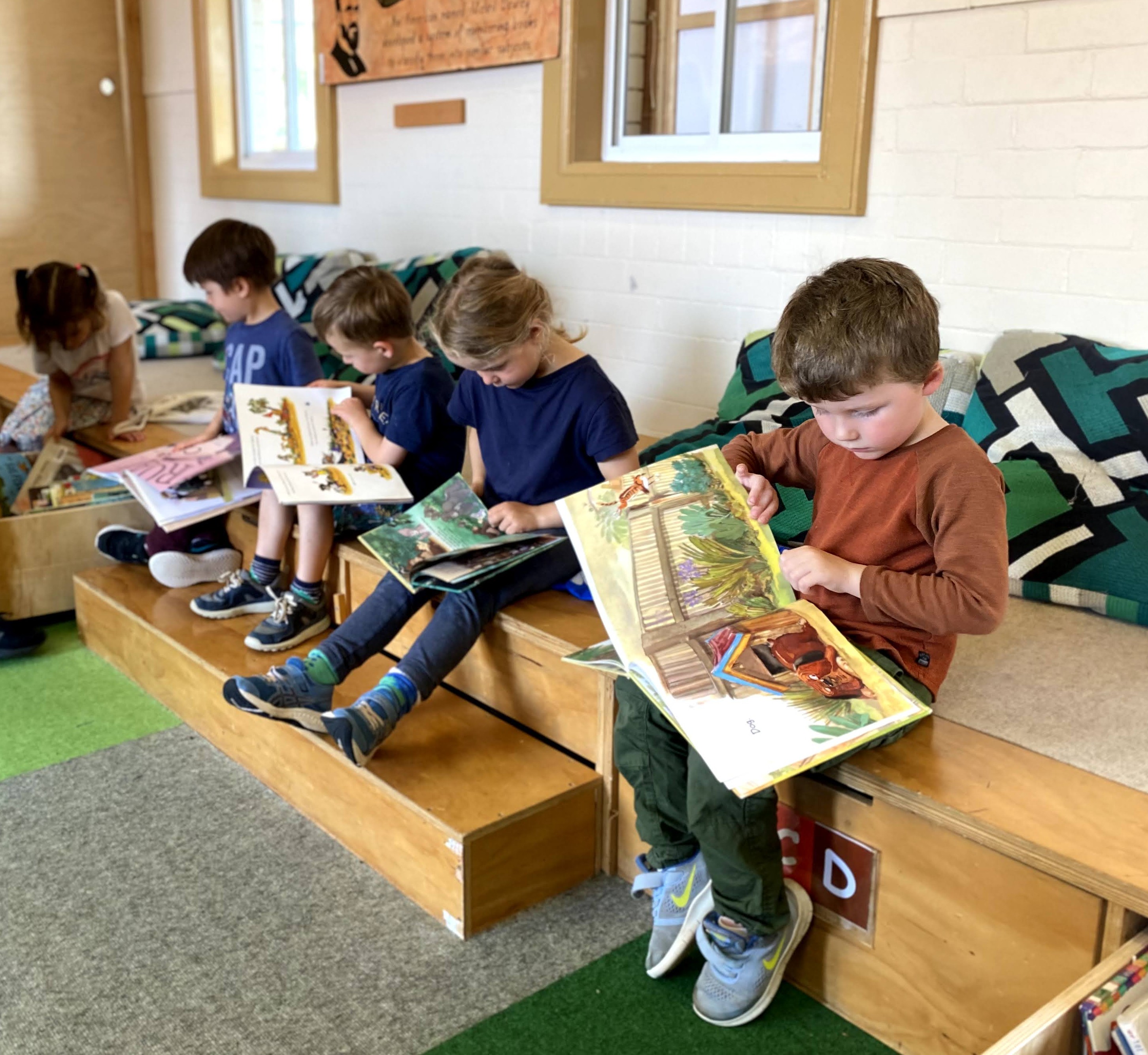
All children at Montessori East have the opportunity to borrow books from the library. Whether it is a younger Cycle 1 child borrowing books from the classroom that are changed regularly with new library books. Or an older Cycle 1 child who comes up once a week for story time and to select 3 books to take home.
Cycle 2 are allocated a weekly class time in the library and Cycle 3 children are able to come up at various times throughout the week to change over silent reading books or to select books for projects as needed.
Choice is also important as “they (children) need choice within structure. The books children select matter not because self-selected reading alone drives growth, but because engagement fuels persistence, and persistence builds proficiency.”
In our library picture books span a range of ages and can differ significantly in the themes and subject matter they explore. Ensuring Cycle 1 children have choice, but also borrow books suitable for their developmental level, is important guidance during their library time. Cycle 2 children have more latitude in the books they take home, and steered towards books they are able to borrow for ‘silent reading’ sessions that take place at school. They are also encouraged to finish the book that has been selected, to foster persistence and because it has been chosen specifically to suit their reading level. They know they can be asked questions about the book to ensure that they are reading the book to the end and comprehending the story, characters and setting.
Next, children “need texts that are both accessible and challenging. Books they can successfully navigate while still encountering new vocabulary, complex sentence structures, and sophisticated ideas.”
We have a variety of non-fiction and fiction books for different reading levels which are supplemented by books from Waverley library when necessary. We also have a growing collection of graphic novels which have proved popular with Cycle 2 and 3 students as they explore contemporary themes in an accessible format. Graphic novels have their place, and can work well when read in conjunction with more ‘traditional’ books. They can assist in maintaining a tween/adolescent’s interest in reading, while continuing to expand their reading repertoire.
We are so lucky to have a vibrant library space and substantial book collection. A recent article in SMH (5 May 2026), by Cathie Warbourton (Chief Executive Officer of the Australian Library and Information Association) highlighted that “Research shows that when students have access to a school library, reading enjoyment increases, along with reading amount and frequency.”
Finally, “Growing Readers need adults who notice their progress, who can identify when a child needs a different level of support or a different kind of book, and who understand that reading development is rarely linear. They need classroom communities where reading is valued and visible, where books are discussed and recommended.”
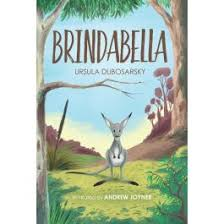
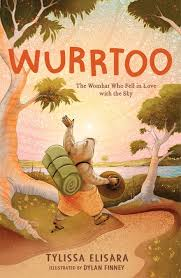
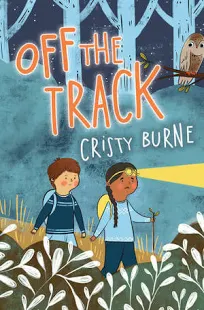
Teachers in all cycles are always keen to create a reading culture in their classrooms. This includes scheduled silent reading and read-a-loud sessions throughout the week. While it’s hard to beat the classics like, Charlotte’s Web, Cycle 1 and 2 have also enjoyed new Australian fiction books such as Wurrtoo by Tylissa Elisara, Brindabella by Ursula Dubosarsky and books by Cristy Burne and Deborah Abela who is visiting Cycle 2 and 3 classes later this year for Book Week.
As the school librarian, I work closely with the teaching staff to recommend suitable books for individual students. Together, we monitor and track reading progress and focus on working with students to keep them engaged and developing their reading/literacy skills throughout the year. We endeavour to match student interest with book subject matter and celebrate breakthroughs and progress at all levels.
The importance of agency, which is embedded in the Montessori philosophy, and is respected as students make their book choices, is confirmed by the Report, which cites. “Choice is motivating, particularly for kids, and may lead them to engage more deeply with what they are reading and gravitate toward reading even more.”
Here are a couple of tips for supporting the reading habit at home:
-
Children learn from modeling. Be a reader yourself; it will leave an impression. Put your phone down and read books, newspapers, recipes, shop and street signs together! Show children that reading can be done anywhere. Active participation in your child’s reading life may mean the difference between a frequent or infrequent reader down the line.
-
Make suitable books accessible to children. You don’t have to spend vast amounts on books. Second hand books stores and your local library are such valuable resources. A child’s reading journey is rarely linear so being able to accommodate varied interests and levels of progress by utilising the resources available at your local library makes economic sense. It’s important to provide your child a volume of books and steady access to a variety of titles as their curiosity guides them.
We know everyone learns at different rates and we are committed to providing the right conditions to offer the choice, volume, environment and expertise to support all Montessori East children on their individual reading journey.
Sarah Boyd-Clark
Montessori East Librarian